Cracking drywall ceiling
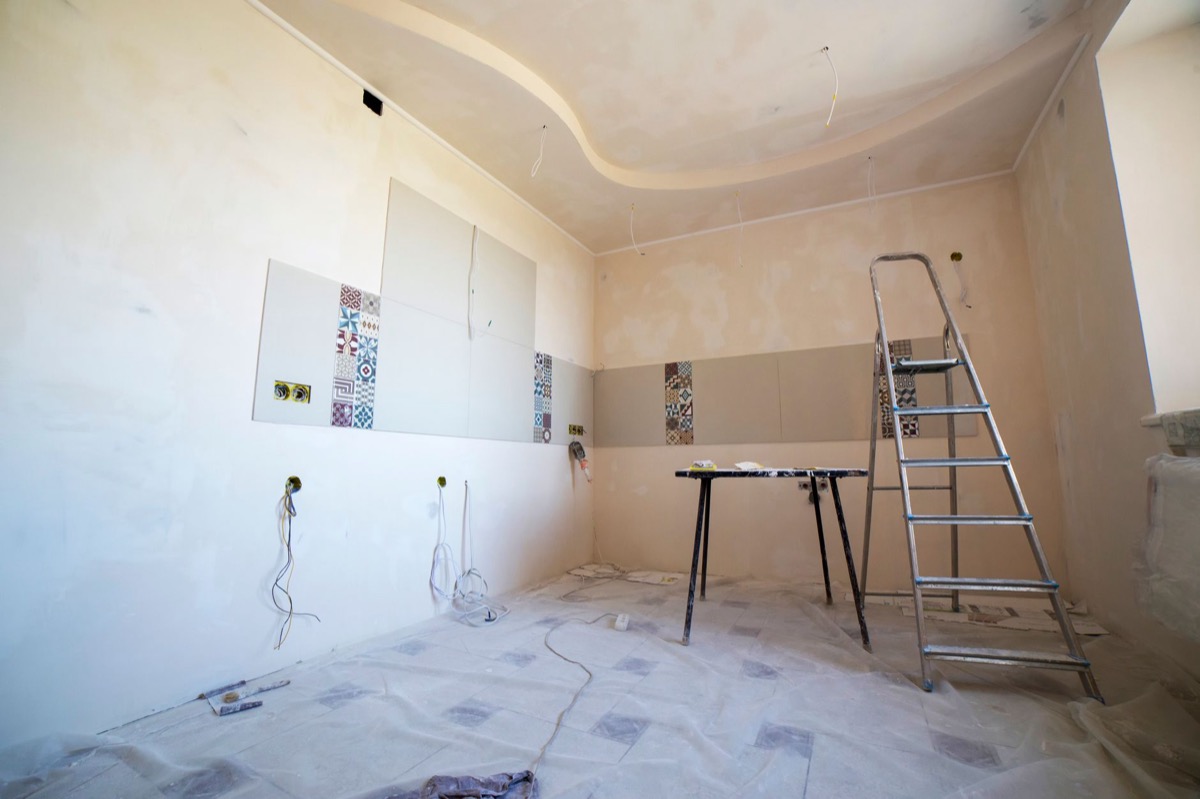
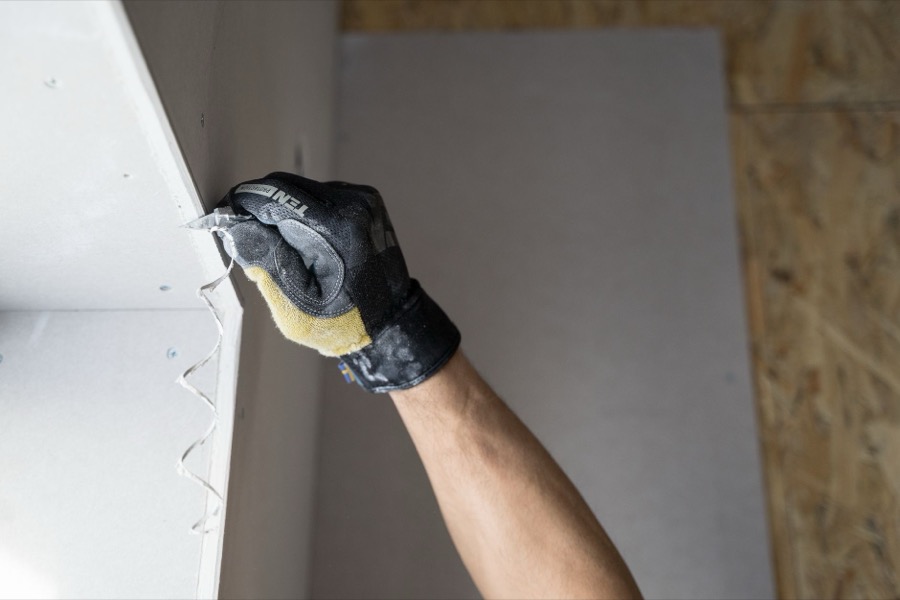
How to Repair a Cracked Drywall Ceiling | This Old House via This Old House
Why Drywall Ceilings Crack
Drywall ceilings can develop cracks for several reasons, including structural movement, seasonal changes in humidity and temperature, and improper installation of the gypsum panels.
When a building expands and contracts with temperature swings, the framing exerts stress on attached drywall, causing the surface or joints to split over time.
Types of Cracks and What They Signal
Hairline cracks along taped seams are common and typically indicate that joint compound dried too quickly or was applied too thickly during the finishing process.
Wider or stair-step cracks, especially those that grow over time, can point to more significant structural movement and may warrant a closer inspection of the framing or foundation.
Finishing Quality and Crack Prevention
Proper drywall finishing is one of the most effective ways to prevent ceiling cracks. The Association of the Wall and Ceiling Industry recognizes drywall finishing as a skilled discipline with defined techniques for taping, coating, and feathering joints.
Following manufacturer installation guidelines for gypsum panels — including correct fastener spacing, appropriate panel orientation, and allowances for panel movement — helps reduce the likelihood of cracking after installation.
Estimating Materials for Ceiling Repair
Before repairing a cracked drywall ceiling, it helps to calculate how much patching compound, tape, and replacement board may be needed. Use the drywall calculator at / to get an accurate material estimate for your ceiling dimensions.
Accurate measurements ensure you purchase the right amount of materials without waste, which is especially useful when dealing with large ceiling areas or multiple rooms.
Key takeaways
- Hairline cracks along seams often result from finishing issues such as thick or fast-drying joint compound applications.
- Following gypsum panel installation guidelines — including correct fastener spacing and panel orientation — is a key step in preventing ceiling cracks.
- Widening or growing cracks may indicate structural movement and should be assessed beyond simple cosmetic repair.
- Calculating material needs before starting a ceiling repair project helps avoid shortages or excess waste.
Related tools
Estimate materials with our drywall calculator on DrywallCalcs.