Cracking drywall
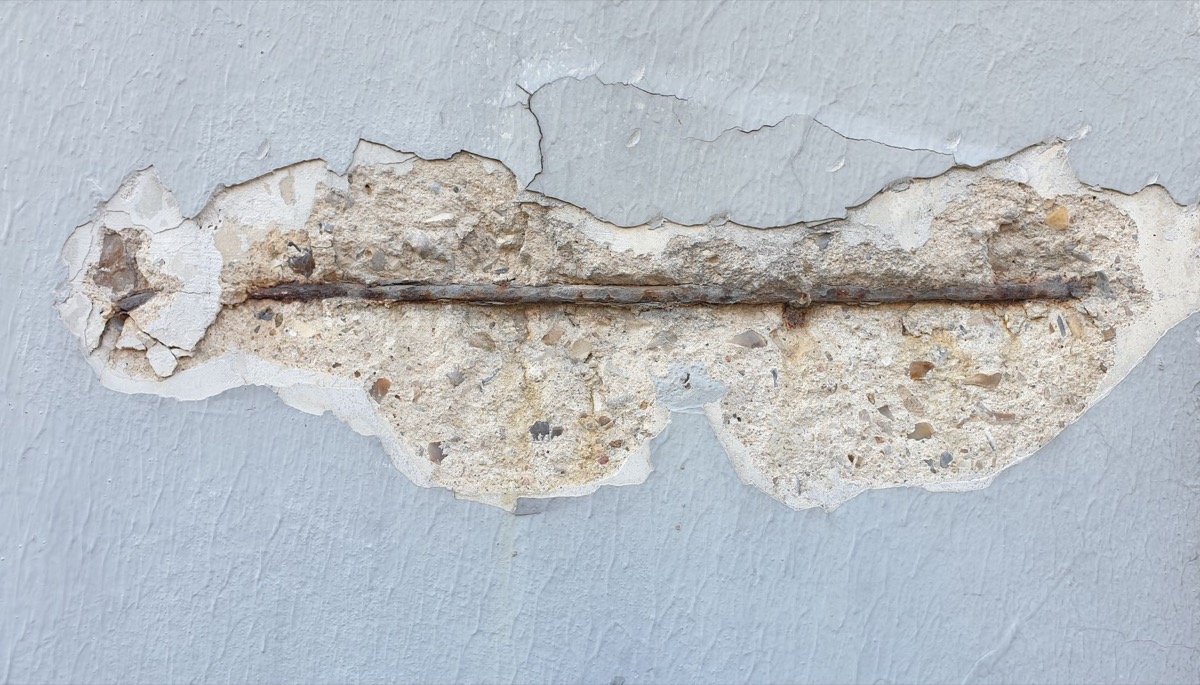
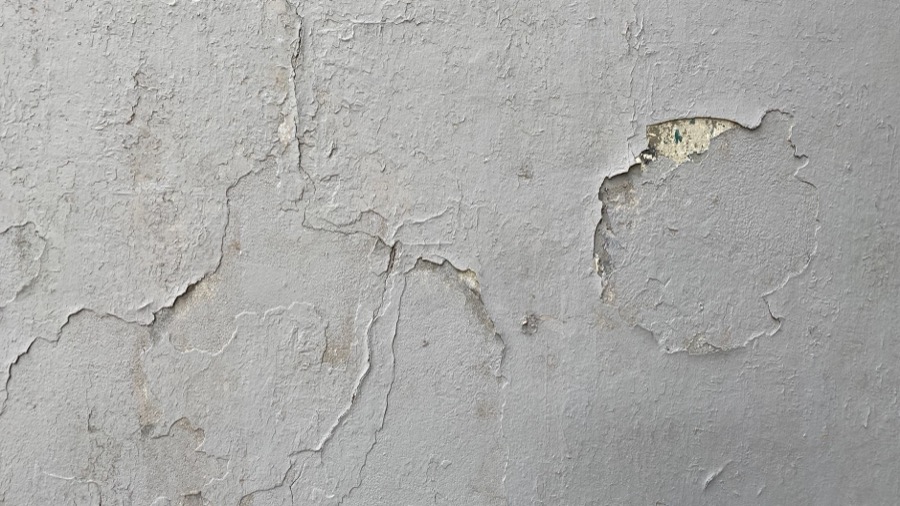
Understanding Drywall Cracks
Drywall cracks can appear in various locations, including ceilings and walls. These cracks may develop over time due to structural shifts or installation issues.
Identifying the type and location of a crack is an initial step in addressing the problem. Some cracks might be superficial, while others could indicate underlying issues.
Causes of Drywall Cracking
Shrinkage of building materials, such as wood framing, can lead to stress on drywall panels, resulting in cracks. Improperly installed drywall, including inadequate fastening or joint taping, can also contribute to cracking.
The movement of a building due to temperature fluctuations or settling can exert pressure on drywall. This stress can manifest as cracks, especially at joints or corners.
Addressing Drywall Cracks
Repairing drywall cracks involves several steps, often starting with cleaning the cracked area. For larger cracks, it may be necessary to cut them into a more uniform shape to facilitate a better repair.
Proper finishing techniques are essential to conceal repairs and ensure a smooth surface. For more complex drywall repair projects, consider using a drywall calculator to estimate material needs.
Key takeaways
- Drywall cracks can result from material shrinkage, building movement, or installation deficiencies.
- Addressing cracks involves proper preparation, repair, and finishing techniques.
- Using a drywall calculator can assist in material estimation for repairs.
Related tools
Estimate materials with our free drywall calculator on DrywallCalcs.