Drywall is cracking
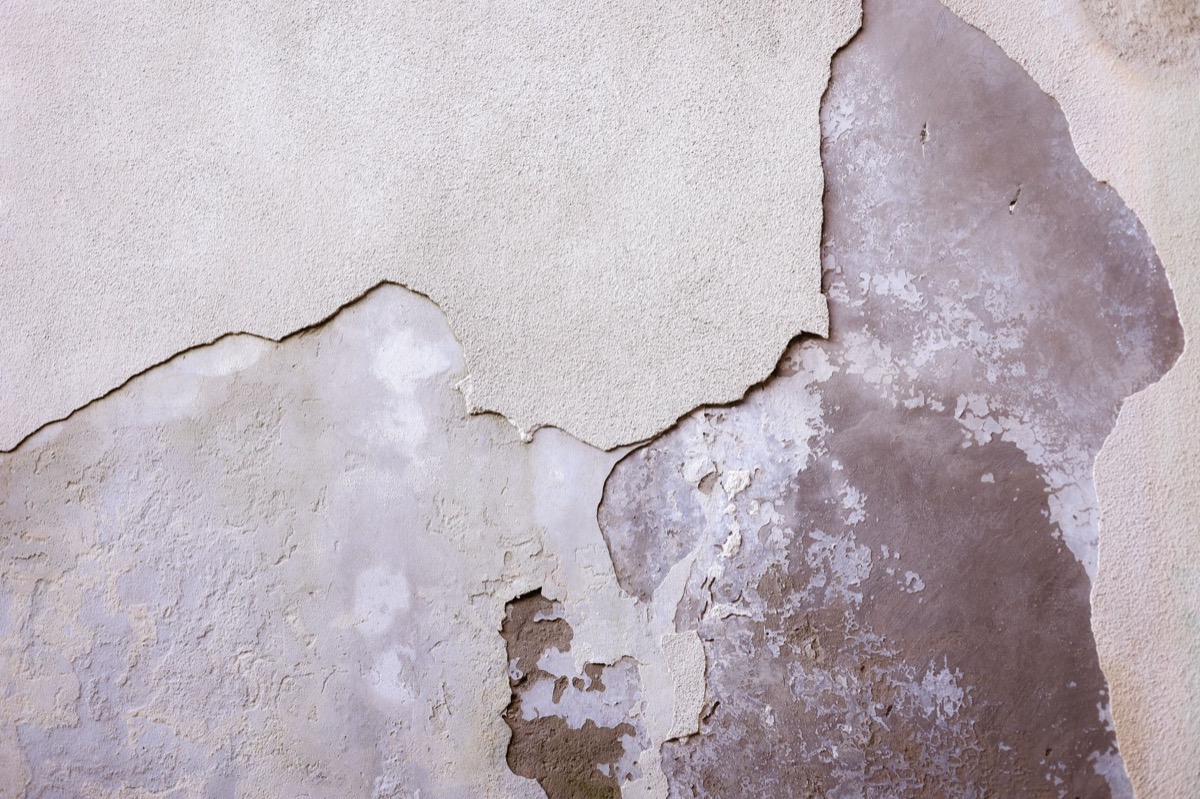
Why Drywall Cracks
Drywall cracking is one of the most common issues homeowners and contractors encounter after a wall or ceiling is finished.
Cracks can appear for several reasons, including movement in the building structure, improper fastening of panels, or insufficient joint treatment during the finishing process.
Common Types of Drywall Cracks
Hairline cracks often occur at joints between panels and are typically the result of inadequate tape embedding or compound application during the finishing stages.
Larger or recurring cracks can signal structural movement, seasonal expansion and contraction of framing lumber, or panels that were not properly supported at their edges.
How Installation and Finishing Affect Cracking
Following a recognized gypsum panel installation guide helps ensure panels are fastened correctly, joints are properly reinforced, and the system is set up to resist cracking over time.
The drywall finishing process — including the correct application of joint compound across multiple coats — plays a major role in creating a durable surface that minimizes the risk of visible cracking. Professional associations in the wall and ceiling industry provide finishing system guidance specifically aimed at long-term performance.
Estimating Materials Before You Start
Accurate material estimation is an important early step, since using too few panels or mismanaging seam placement can increase joint density and raise the likelihood of cracking.
Before beginning any drywall project, use a free drywall calculator at / to estimate panel quantities and plan seam layouts that support a cleaner, more crack-resistant finish.
Key takeaways
- Drywall cracks most often appear at joints and can result from poor tape application, inadequate fastening, or structural movement.
- Following proper installation and finishing techniques — including multi-coat compound application — significantly reduces the risk of cracking.
- Planning panel layout carefully before installation helps minimize joint density and the potential for future cracks.
Related tools
Estimate materials with our free drywall calculator on DrywallCalcs.