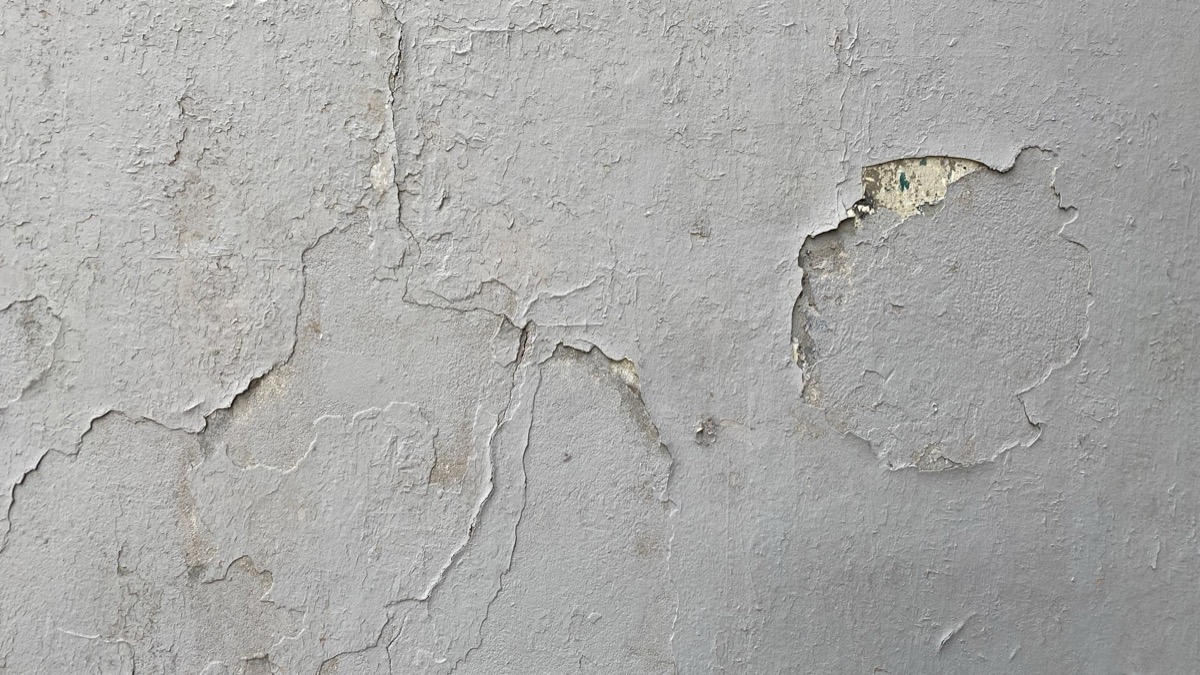
Drywall seams cracking
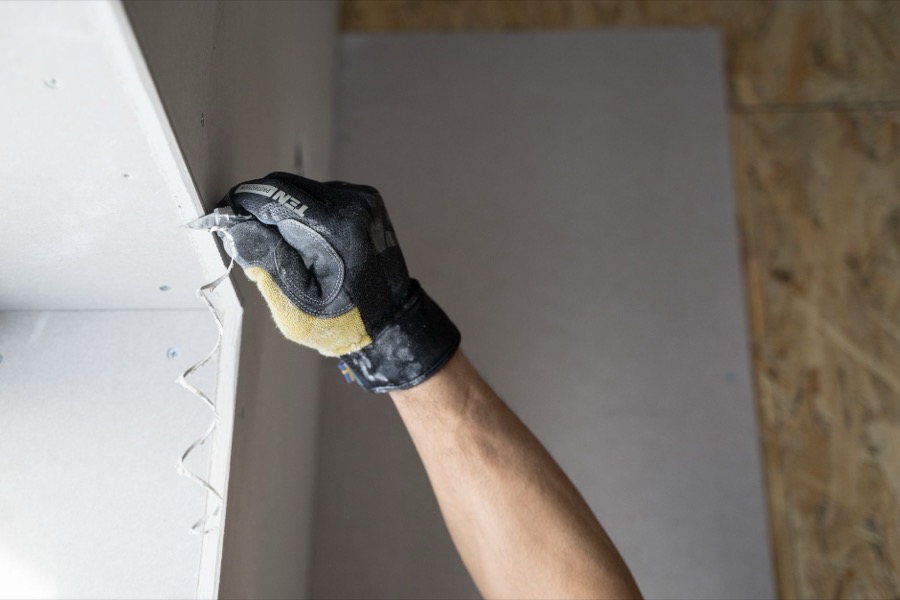
HOW TO REPAIR DRYWALL (PEAKED JOINTS) via Vancouver Carpenter
Why Drywall Seams Crack
Cracking along drywall seams is one of the most common complaints in both new construction and older buildings. The joint between two drywall panels is inherently a weak point, and several forces can cause the tape or compound there to fail.
Movement in the building structure — such as framing lumber shrinking as it dries or seasonal expansion and contraction — transfers stress directly to taped seams. When that stress exceeds the bond strength of the joint compound, visible cracks appear.
Common Causes of Seam Failure
Improper finishing is a leading contributor to cracked seams. The Association of the Wall and Ceiling Industry recognizes drywall finishing as a distinct technical discipline, underscoring that technique and material selection at every coat layer directly affect long-term joint integrity.
Insufficient fastener spacing, misaligned butt joints, and panels that are not held firmly to the framing can all introduce stress concentrations at seams. Using the correct panel size for the span — something a drywall calculator at / can help you plan — reduces unnecessary seam placement in high-stress areas.
The Role of Installation Practices
Panel installation technique sets the foundation for seam durability. According to the USG Sheetrock Gypsum Panels Installation Guide, correct installation procedures are essential to achieving a finished assembly that performs as intended.
Panels should be fastened in the recommended pattern so they lie flat against framing without gaps. Any bow or warp in the panel face can pull a finished seam apart as the material seeks to relieve tension.
Preventing and Repairing Cracked Seams
Prevention starts at the planning stage: limiting the number of butt-end seams, positioning joints away from window and door corners, and ensuring framing members are properly aligned all reduce the likelihood of future cracking.
When seams do crack, the standard repair involves removing loose compound, re-embedding tape if needed, and applying fresh coats of joint compound feathered well beyond the crack. Allowing each coat to dry fully before adding the next prevents trapped moisture — a frequent cause of recurring cracks.
Key takeaways
- Structural movement and finishing technique are the two primary drivers of drywall seam cracking.
- Careful panel layout, correct fastening patterns, and full drying time between compound coats are the most effective preventive measures.
Related tools
Estimate materials with our drywall calculator on DrywallCalcs.