How do you fix nail pops in drywall
Understanding Nail Pops in Drywall
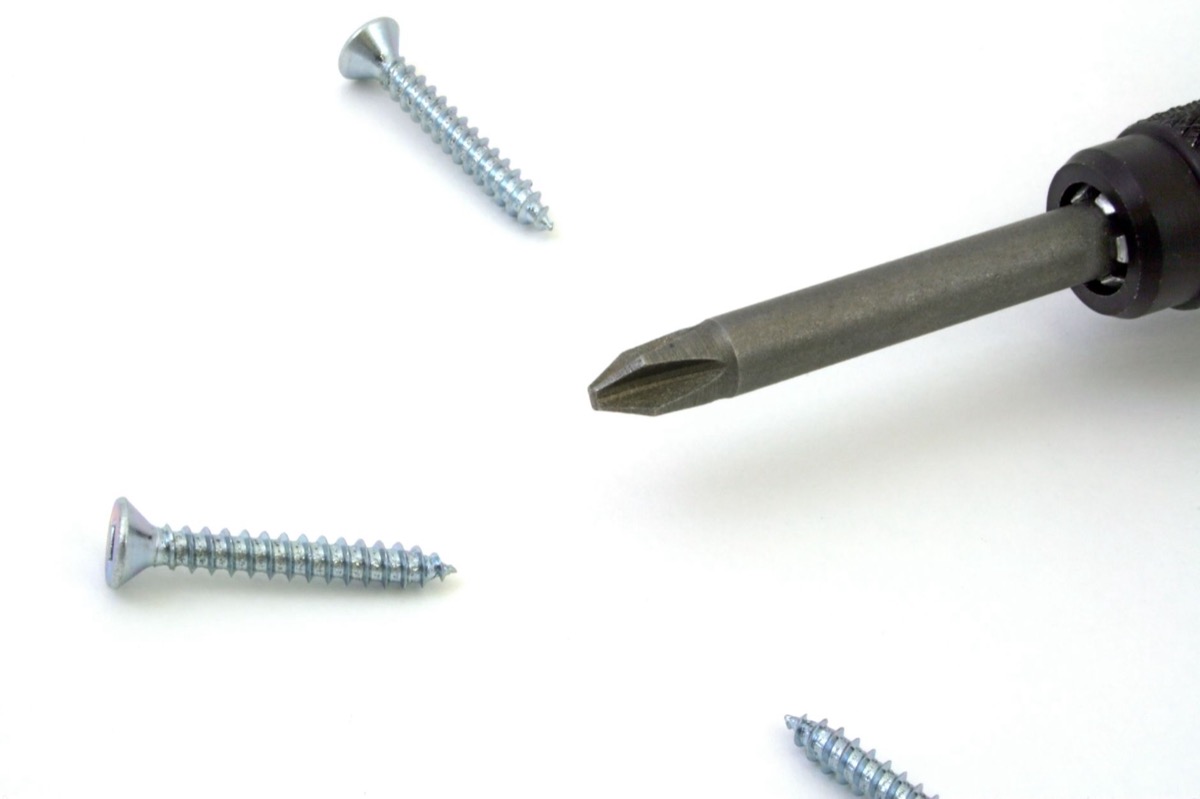
Nail pops occur when the fastener, typically a nail or screw, backs out of the drywall and protrudes through the paper surface. This is often caused by changes in humidity or temperature, which can cause the framing materials and drywall to expand and contract at different rates.
The movement can loosen the fastener, allowing it to rise and create a bump or "pop" on the drywall surface. This can compromise the integrity of the finish and require repair.
Repairing Nail Pops
To repair a nail pop, the protruding fastener must be driven back into the drywall or removed and replaced. The popped area should then be carefully taped and mudded to create a smooth surface.
This process involves applying joint compound over the fastener head and any damaged paper. Multiple thin coats are typically applied, allowing for drying and sanding between each application to achieve a seamless finish.
Prevention and Best Practices
Proper drywall installation techniques can help minimize the occurrence of nail pops. This includes ensuring fasteners are driven to the correct depth and not overdriven, which can tear the paper.
Using appropriate fasteners for the drywall thickness and framing material, along with maintaining stable environmental conditions during and after installation, can also contribute to a more durable finish. For large projects, consider using a free <a href="/" class="fr-text-highlight">drywall calculator</a> to accurately estimate material needs.
Key takeaways
- Nail pops result from fastener movement due to environmental changes or improper installation.
- Repair involves re-setting the fastener, taping, and applying multiple coats of joint compound.
- Proper installation techniques and stable environmental conditions can help prevent nail pops.
Related tools
Estimate materials with our free drywall calculator on DrywallCalcs.