How to fix drywall nail pops
What Causes Drywall Nail Pops
Nail pops occur when a fastener beneath the drywall surface pushes outward, creating a visible bump or crack in the finish coat.
Wood framing that shrinks or shifts as it dries after construction is a common driver of nail pops, since the movement can push fasteners away from the stud and toward the wall surface.
Tools and Materials You Will Need
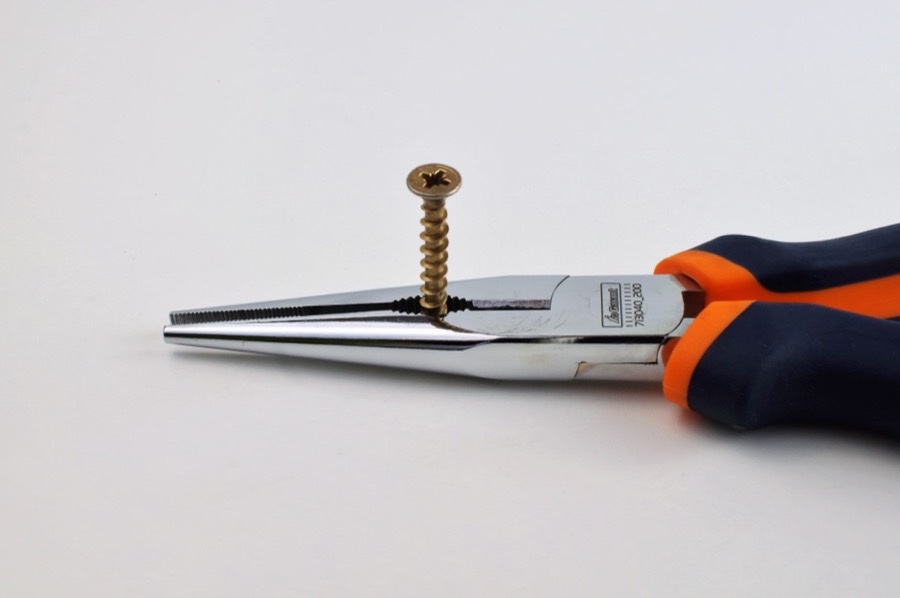
A typical nail pop repair requires a screw gun or drill, drywall screws, a utility knife, joint compound, a drywall knife or taping knife, sandpaper, and primer.
Using drywall screws rather than nails for the repair provides a stronger mechanical hold and reduces the chance of the same area popping again over time.
Step-by-Step Repair Process
Start by driving the popped nail back in or removing it entirely, then drive two drywall screws into the stud — one about two inches above and one about two inches below the original fastener location — to firmly re-secure the panel.
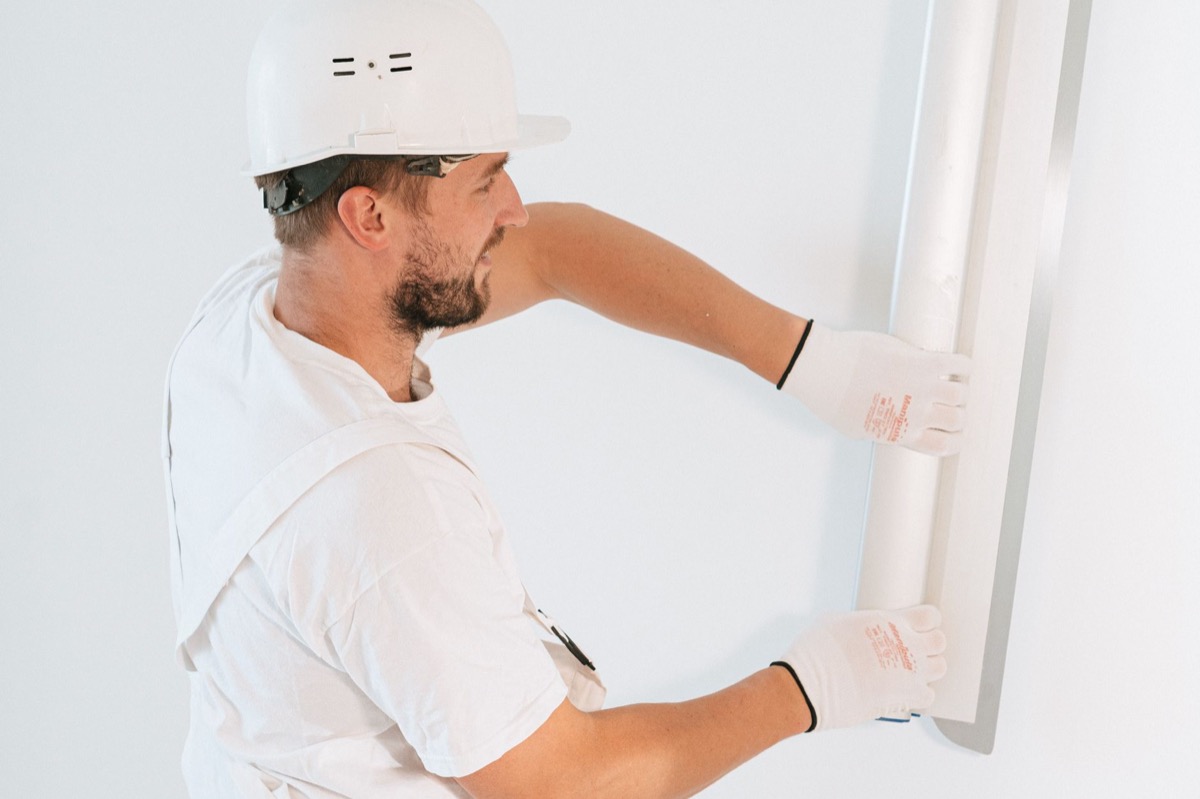
Once the panel is secured, apply joint compound over the dimpled screw heads and the original nail hole in thin coats, feathering each coat outward and allowing full drying between applications before sanding smooth. Before starting a larger repair project, use the free drywall calculator at / to estimate how much compound and material you may need.
After sanding, apply a coat of primer to the repaired area before repainting so the patch blends evenly with the surrounding wall finish.
Tips for a Long-Lasting Fix
The drywall finishing industry recognizes multiple levels of surface finish quality, and a properly feathered, primed, and painted repair should blend seamlessly with the existing wall when care is taken at each coat.
Addressing underlying causes such as high moisture levels or unseasoned framing lumber can help prevent new nail pops from forming in the same area after the repair is complete.
Key takeaways
- Securing the drywall panel with screws on either side of the original fastener is the key step that prevents the pop from returning.
- Applying joint compound in multiple thin, feathered coats — rather than one thick layer — produces the smoothest, least visible repair.
Related tools
Estimate materials with our free drywall calculator on DrywallCalcs.