Nail pops drywall
What Are Nail Pops in Drywall?
Nail pops are small, rounded bumps or cracked circles that appear on a finished drywall surface, caused by a fastener pushing outward through the joint compound and paint.
They are one of the most common drywall complaints in both new construction and older homes, and they tend to become more visible over time as the surrounding wall surface settles.
Common Causes of Nail Pops
The primary cause of nail pops is wood framing lumber that shrinks or moves after installation, pushing fasteners outward from the stud or joist.
Using nails instead of screws increases the risk of pops, since nails have less holding power and are more likely to work loose as framing members shift with seasonal humidity and temperature changes.
How to Fix Nail Pops
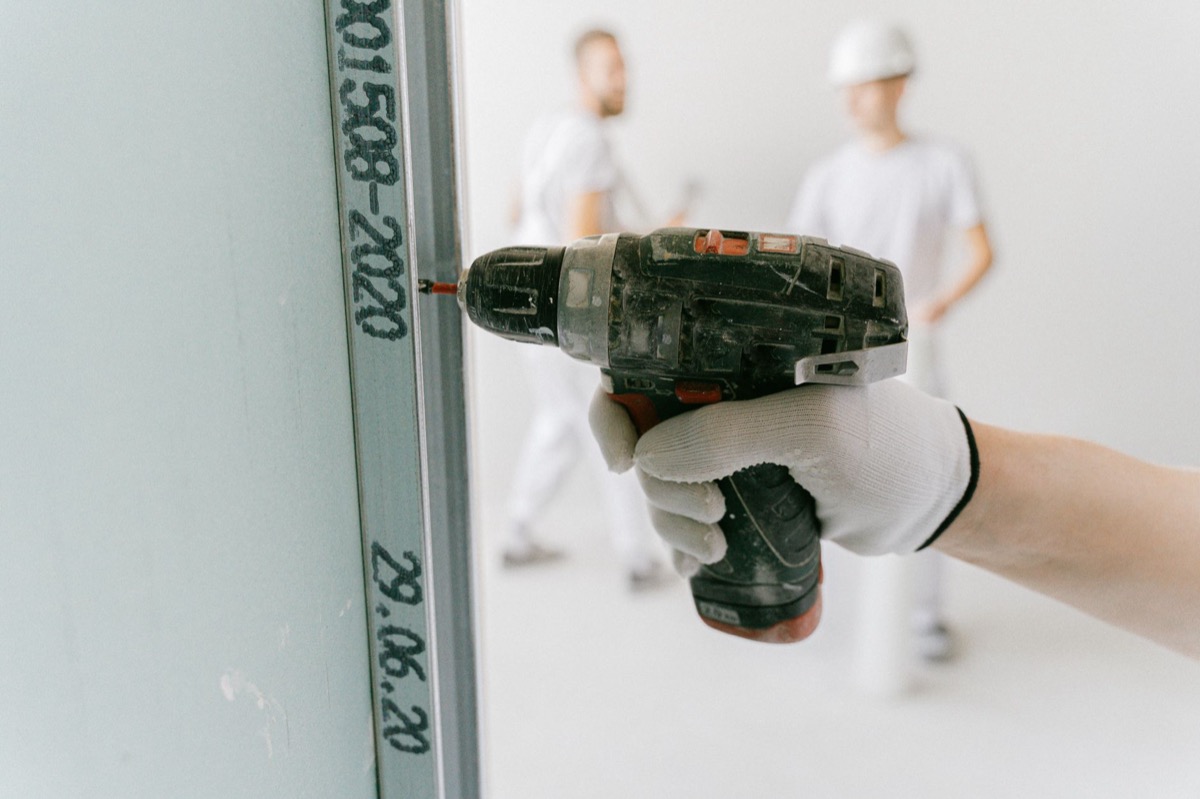
The standard repair involves driving a drywall screw about two inches above and below the popped nail to re-secure the panel to the framing, then driving the original nail flush or slightly below the surface.
Once the fasteners are set, the dimples are filled with joint compound, allowed to dry, lightly sanded, and then primed and painted to match the surrounding wall — a process closely tied to the overall drywall finishing system.
Preventing Nail Pops During Installation
Using drywall screws instead of nails and following proper fastener spacing guidelines during installation significantly reduces the likelihood of pops developing later.
Proper planning of panel quantities and fastener schedules matters from the start — use a free drywall calculator at / to estimate materials before beginning your project, helping ensure consistent coverage and correct fastener placement throughout.
Key takeaways
- Nail pops are typically caused by framing lumber movement after installation pushing fasteners outward through the drywall surface.
- Fixing nail pops requires re-securing the panel with screws near the pop, setting the original fastener flush, and applying joint compound before repainting.
- Switching from nails to screws and following correct fastener spacing during installation is the most reliable way to prevent nail pops.
Related tools
Estimate materials with our free drywall calculator on DrywallCalcs.